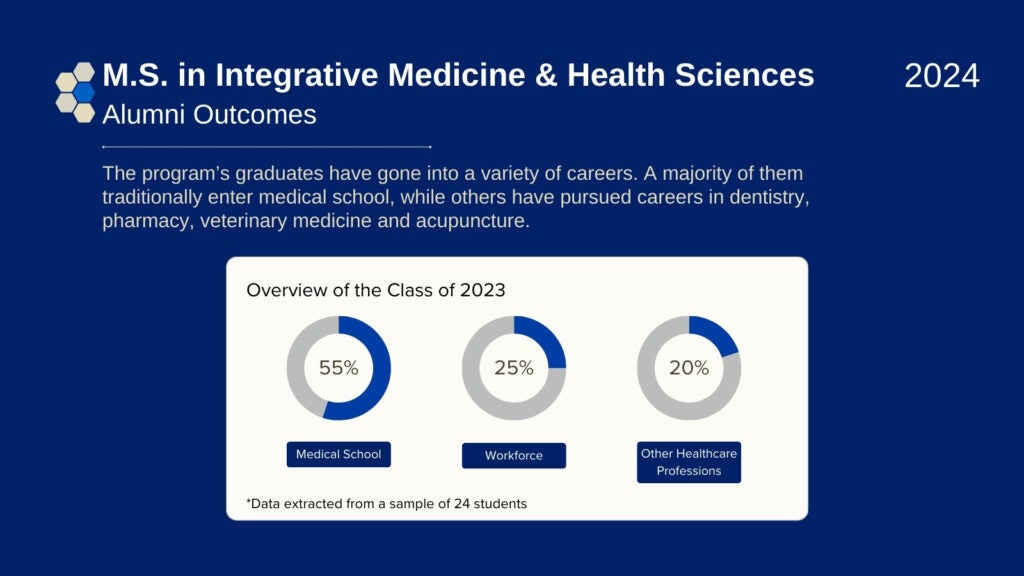
What is Complementary and Alternative Medicine (CAM)?
Complementary and Alternative Medicine (CAM) refers to therapies that are not typically included in the curriculum of U.S. academic medical schools or commonly offered in U.S. hospitals, as noted in surveys from the early 1990s. Today, the term “Integrative Medicine” is most commonly used.
What is Integrative Health?
According to the National Center for Complementary and Integrative Health at the National Institutes of Health, Integrative Health refers to care that combines treatments from biomedicine with evidence-based practices from other medical systems, such as Traditional Asian Medicine, Ayurveda, Naturopathy, and Unani. Integrative Health focuses on well-coordinated care from providers with diverse expertise, addressing the patient’s physical, mental, and behavioral needs. This approach aligns with the Whole Person Health model, aiming to deliver comprehensive care for the 21st-century healthcare system.
What is Whole Health?
Whole Health expands the healthcare model to encompass a Bio-Psycho-Social-Behavioral and environmental approach. It goes beyond merely treating diseases, aiming to address the broader factors that contribute to overall health and well-being.
Why Georgetown?

A truly unique graduate degree program, we work with students who are pursuing careers in health care but are also eager to develop an exceptional skillset that combines scientific thinking, evidence from research, and integrative medicine. These are the three fundamental pillars of the program.
Our mission is to educate a new generation of open-minded healthcare providers, and scientists prepared to apply the knowledge and skills of complementary and integrative medicine with objectivity and rigor.
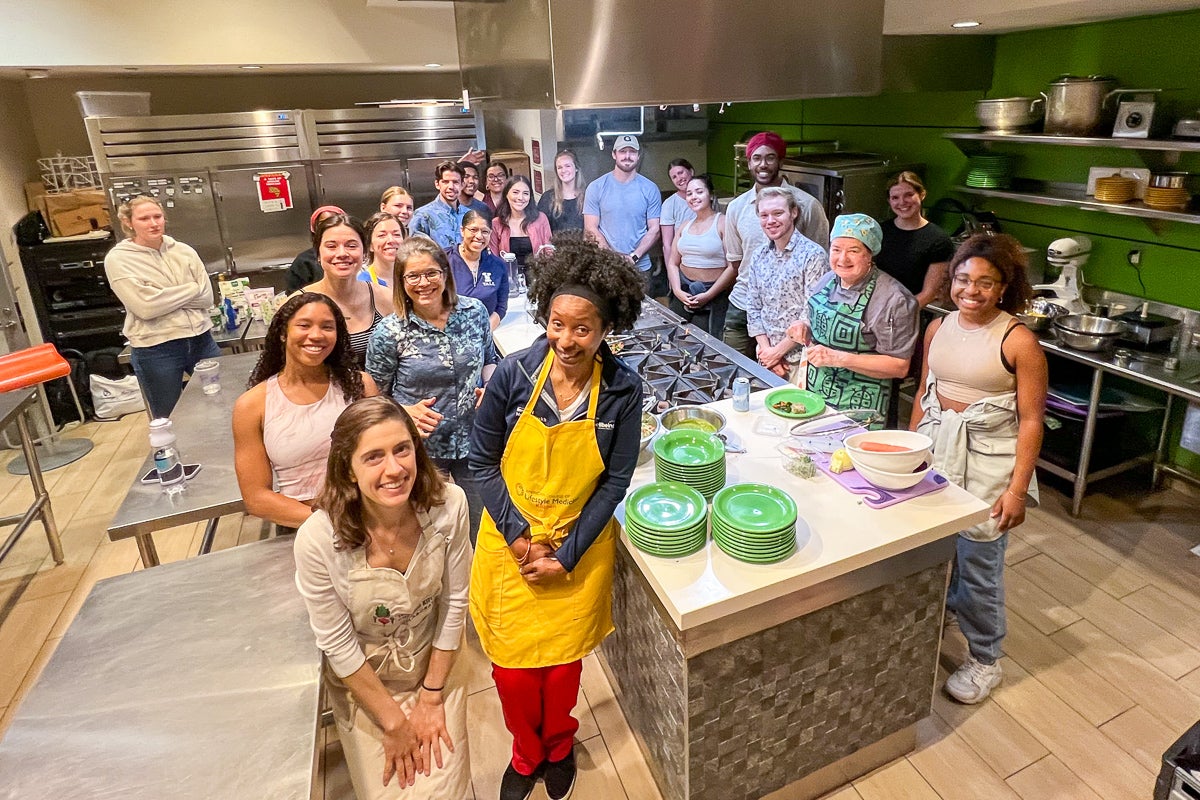
We train students interested in private- and public-sector careers related to complementary and integrative medicine (CIM) research, education and health care by providing them with a rigorous educational program that incorporates a firm foundation in biomedical science, in-depth exposure to CIM disciplines, and practice in critical thinking and evidence-based evaluation of CIM modalities.
Explore Our CurriculumWhy Integrative Medicine and Health Sciences?
Our master’s program encourages students to dig deeper into the mechanistic basis for complementary and integrative medicine (CIM) therapies such as acupuncture, massage, functional/integrative nutrition, herbs and supplements, and mind-body interactions. The program’s emphasis on multidisciplinary and evidence-based approaches is ideal for future health care providers, educators and researchers, providing a holistic understanding of the interaction between medicine and the human body.
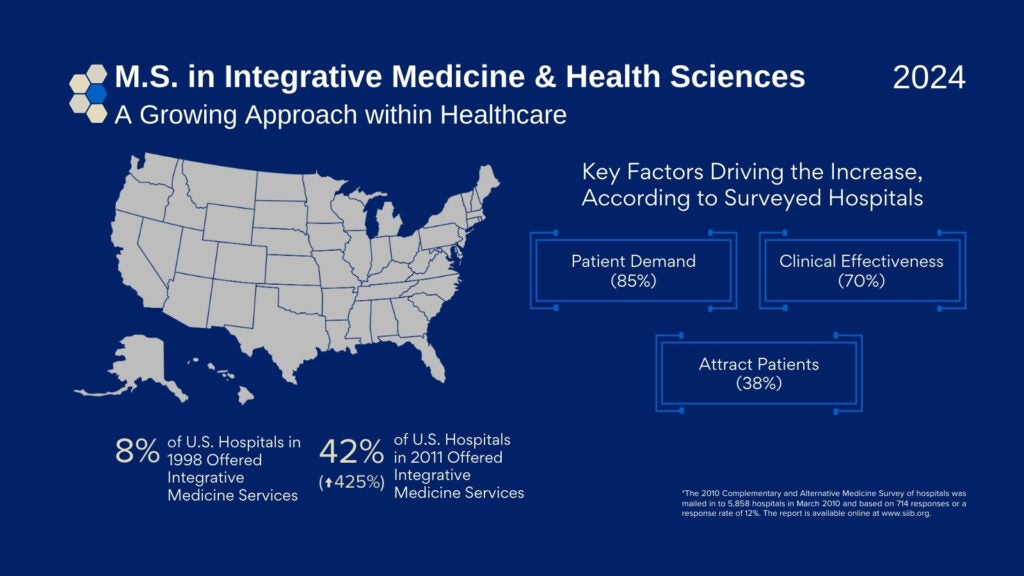
The demand for well-informed and properly trained healthcare providers and scientists within the CIM field has grown out of intense consumer-driven interest in CIM and the increasing integration of CIM modalities into clinical practice. Our program is the only one in the nation that offers such an innovative approach, placing Georgetown University at the forefront of graduate education in CIM.